Quick answer:
A cat memorial gift doesn’t usually “re-open the wound” in a harmful way. For many people, it brings tears and comfort at the same time. The sadness is already there; the gift simply acknowledges the bond and reminds the grieving person that their cat—and their love—are still remembered. Timing, delivery, and sensitivity matter, and not everyone wants reminders. But when done thoughtfully, memorial gifts often help grief feel less lonely.
Grief doesn’t end—it changes
People who lose a cat rarely describe grief as something that neatly closes. Instead, it shifts over time. The pain becomes quieter, but the bond remains. Memorial items often help because they give that bond a place to live.
Rather than pushing someone to “move on,” a memorial gift allows them to stay connected in a gentle way. It doesn’t erase the loss. It simply makes room for love to exist alongside it.
The fear behind giving a memorial gift
Many people hesitate before giving a gift tied to loss. The question is almost always the same: What if I make them sad? Especially around holidays or special occasions, that worry can feel heavy.
But sadness isn’t the same as harm. For most grieving pet owners, the emotion comes from the loss itself—not from the reminder. What often matters more than the object is the meaning behind it: someone remembered their cat, and someone understood how important that relationship was.
Tears don’t mean the gift was wrong
It’s common for memorial gifts to make people cry. That reaction can be intense, but it’s rarely negative. Many describe the tears as a release—an emotional response to being seen and understood.
What hurts more for some people is when the cat is never mentioned again, as if acknowledging the loss might be uncomfortable. A memorial gift does the opposite. It quietly says, “Your cat mattered. I haven’t forgotten.”
Timing matters more than the gift itself
One of the most important factors is when the gift is given.
-
Right after a loss, some people feel overwhelmed by reminders.
-
Weeks or months later, the same gift may feel deeply comforting.
-
Years later, it can become a treasured symbol of enduring love.
There is no universal timeline. Some people need distance before they can accept something permanent. Others find immediate comfort in having a tangible reminder close by. The key is matching the timing to the person, not the occasion.
If there’s uncertainty, a gentle heads-up can help. Letting someone know a memorial gift is coming—and giving them the choice of when to receive it—respects their emotional boundaries without taking away the thoughtfulness.
Setting and privacy matter
How a memorial gift is given can shape how it’s received. Many people prefer to experience that moment privately, without the pressure of reacting in front of others.
A quiet setting allows space for real emotion. It gives the recipient permission to cry, smile, remember, or simply sit with the feeling. The gift itself doesn’t change—but the environment can make it feel either supportive or overwhelming.
What kinds of memorial gifts tend to help
Across many personal experiences, the most comforting memorials often share a few traits:
-
They feel personal rather than performative
-
They fit naturally into daily life
-
They don’t demand attention, but are there when needed
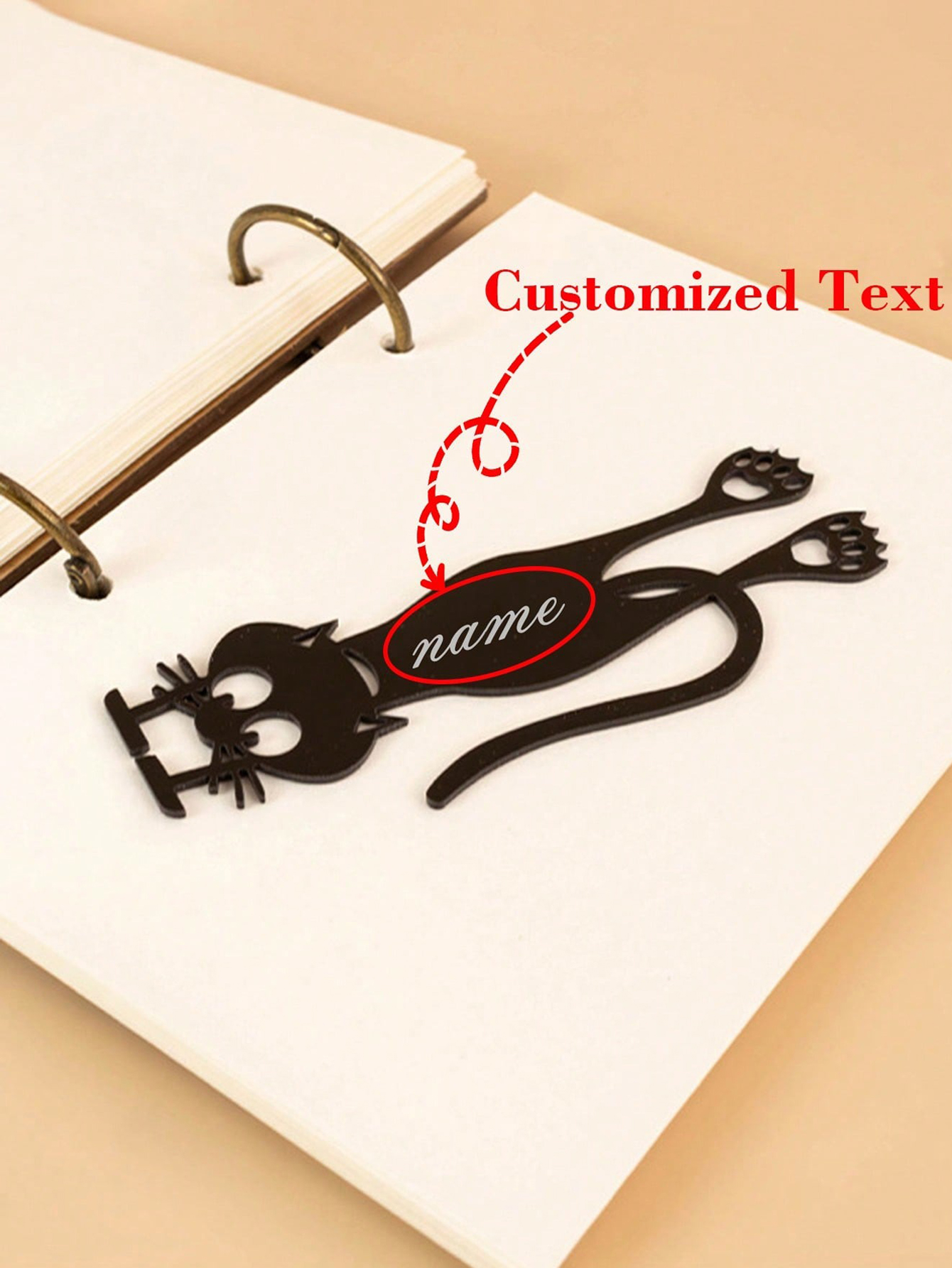
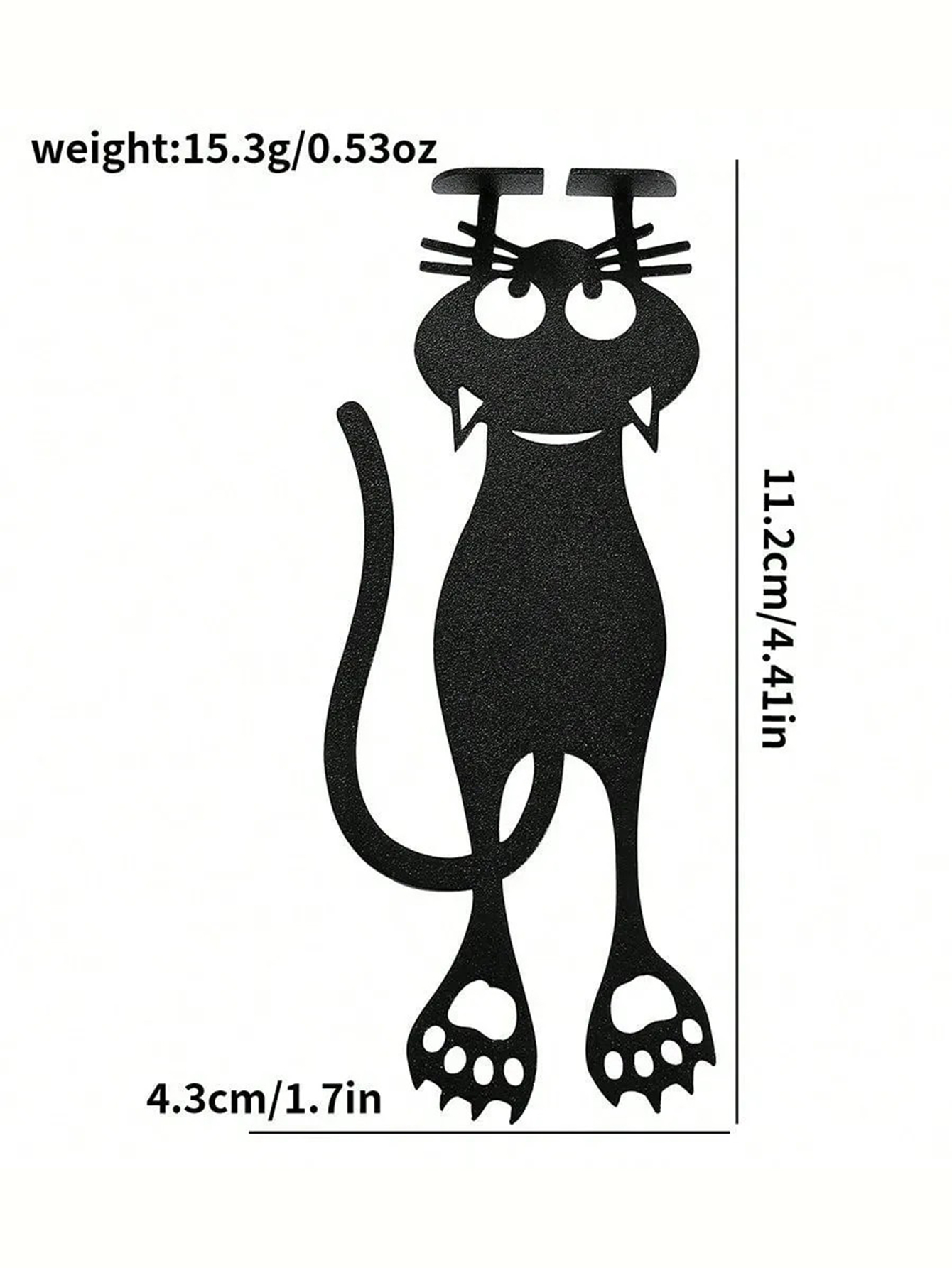
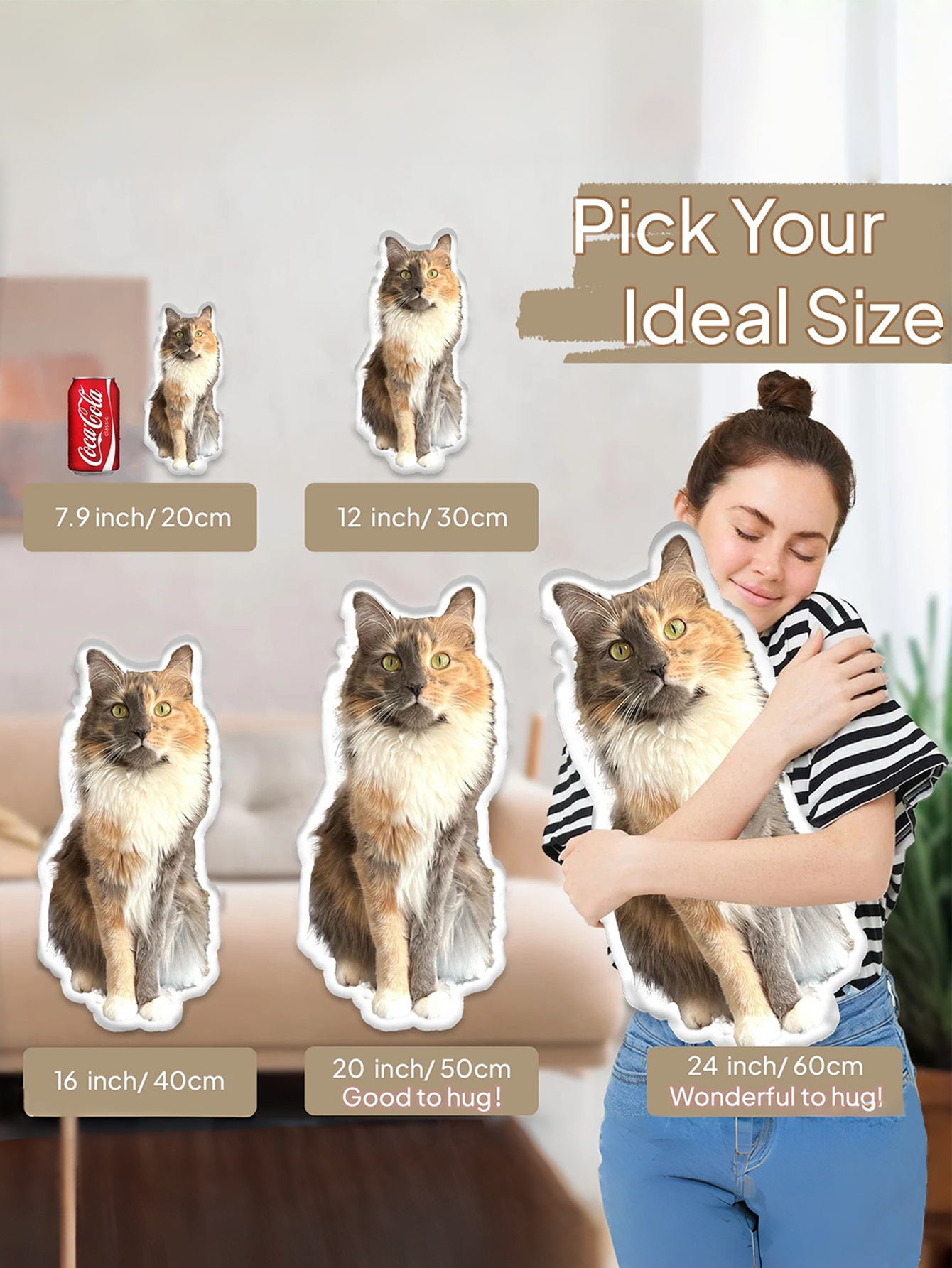
Artwork, small keepsakes, jewelry, or simple objects used in quiet rituals often provide comfort because they offer presence without pressure. The value isn’t in how elaborate the item is, but in how gently it holds the memory.
At the same time, some people find certain forms difficult—especially early on. Highly permanent or very lifelike items can feel like too much, too soon. This doesn’t make those gifts wrong; it simply means everyone grieves differently.
Memorial gifts don’t help everyone—and that’s okay
It’s important to say this clearly: not everyone wants reminders while they grieve. Some people prefer space. Others need time before they can engage with any memorial at all.
Choosing not to receive a memorial gift isn’t rejection—it’s self-awareness. Grief is personal, and honoring it sometimes means stepping back rather than holding on. Recognizing this makes memorial gifting more compassionate, not less.
Why memorial gifts help when they do
When memorial gifts help, it’s rarely because they provide closure. Instead, they offer continuity.
They give grief something gentle to lean on.
They allow love to remain visible.
They remind the grieving person they’re not alone in remembering.
Grief doesn’t need to be fixed. It needs to be acknowledged.
A thoughtful approach to giving
If you’re considering a cat memorial gift, a few principles tend to make the difference:
-
Lead with care, not surprise
-
Respect timing and emotional readiness
-
Choose privacy over spectacle
-
Understand that tears can coexist with gratitude
A well-chosen memorial gift doesn’t say, “You should be over this.”
It says, “Your cat mattered—and still does.”
The quiet truth
A cat memorial gift may stir emotions, but for many people, that stirring is exactly what helps. It turns silence into acknowledgment and isolation into shared remembrance. Over time, what once brought tears often becomes a source of comfort.
Grief doesn’t disappear.
But with the right kind of remembrance, it becomes lighter to carry.
FAQ: Cat Memorial Gifts & Grief
Q1: Do cat memorial gifts actually help with grief?
For many people, yes. They don’t remove the pain, but they help acknowledge the bond and make grief feel less lonely.
Q2: Can a memorial gift reopen emotional wounds?
It can bring up strong emotions, including tears. But that doesn’t mean it causes harm—often it validates feelings that already exist.
Q3: When is the right time to give a cat memorial gift?
There’s no universal timing. Some people appreciate it immediately, while others need weeks or months before they’re ready.
Q4: What if the person doesn’t want reminders of their cat?
That’s completely okay. Grief is personal, and not everyone finds comfort in keepsakes or visual reminders.
Q5: Should I warn someone before giving a memorial gift?
If you’re unsure, a gentle heads-up can help. It respects emotional boundaries while keeping the gesture thoughtful.