


Custom Acrylic Sign Holder: Everything You Need to Know
Quick Answer
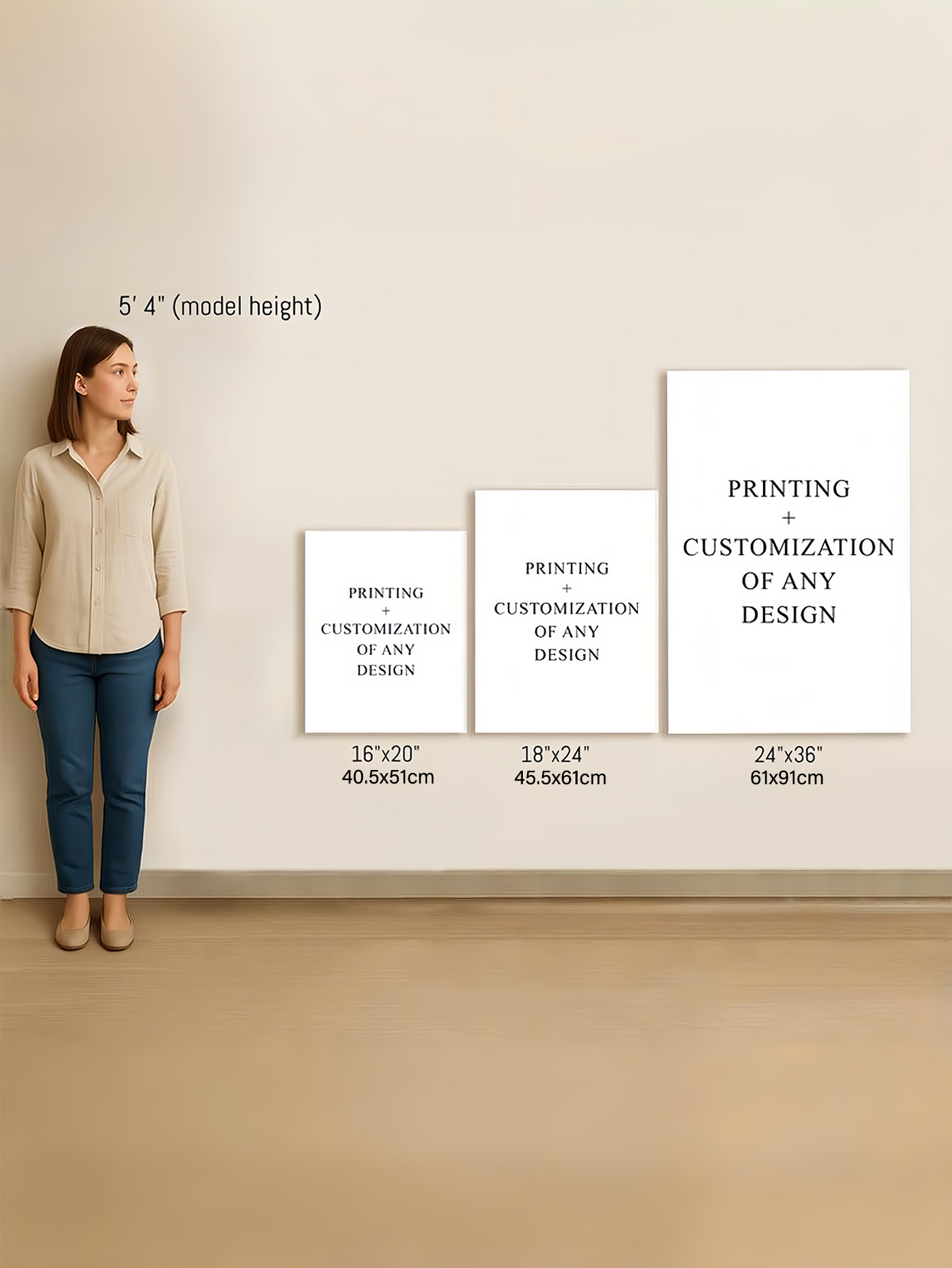
A custom acrylic sign holder is best suited for indoor displays where clarity, flexibility, and a clean appearance matter. The most important factors are size compatibility, acrylic thickness, base stability, and the environment where the holder will be used.
Custom acrylic sign holders are widely used in retail, offices, exhibitions, and personal spaces. Their clean appearance and flexibility make them a popular choice for displaying menus, instructions, price cards, and informational signage. However, like any display solution, they come with both advantages and limitations.
This guide explains what a custom acrylic sign holder is, the different types available, how to choose the right one, and how to use it effectively—based on real-world considerations rather than marketing claims.
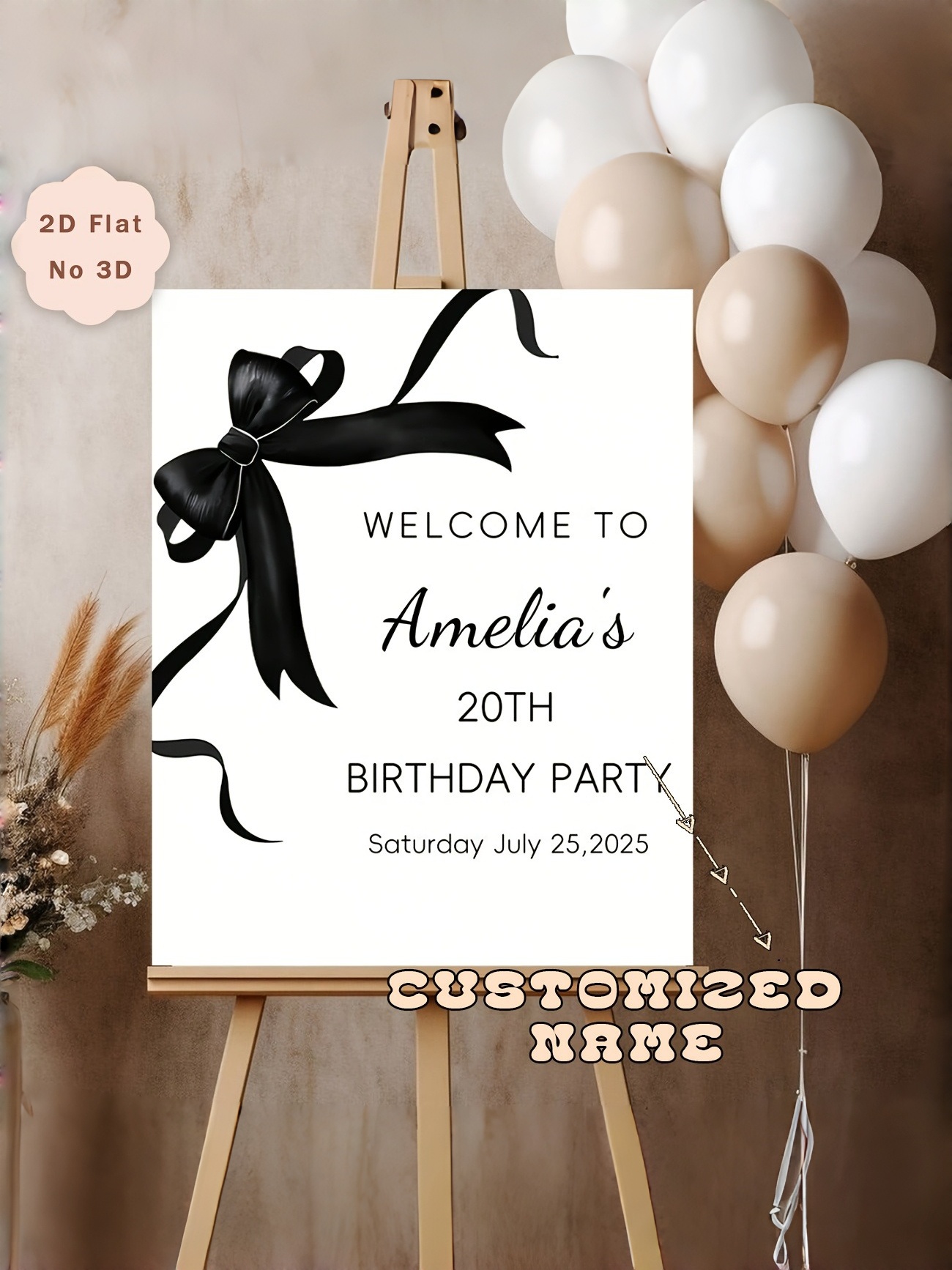
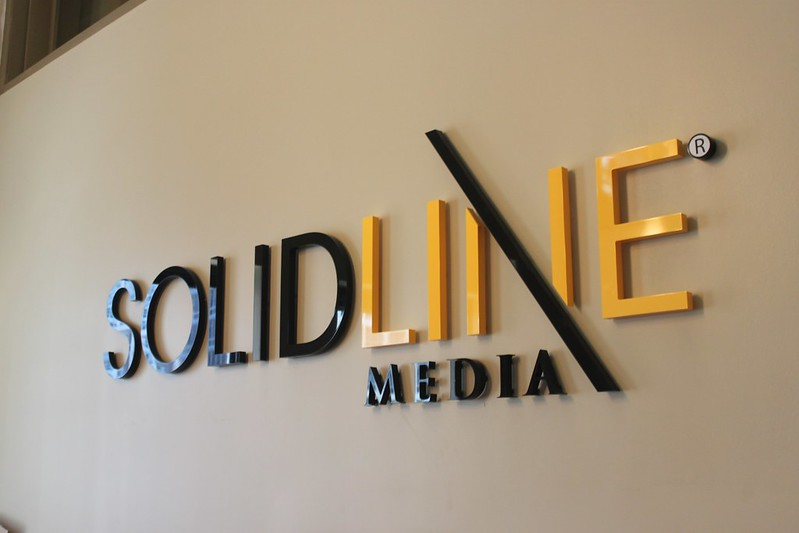
A custom acrylic sign holder is a display stand made from acrylic (often referred to as plexiglass) that is designed to hold printed signs, cards, or panels. The term “custom” usually refers to adjustments in size, thickness, orientation, base design, or mounting method to suit a specific display need.
Compared with paper or cardboard holders, acrylic sign holders are more durable and visually clean. Compared with glass, acrylic is lighter and less likely to shatter if dropped. However, acrylic is not scratch-proof and requires more careful handling than many people expect.
To see how these features translate into real display options, you can explore our acrylic sign holders category to compare sizes, layouts, and mounting styles for indoor use.
Types of Acrylic Sign Holders and Common Use Cases
Desktop and Countertop Acrylic Sign Holders
Desktop and countertop acrylic sign holders are among the most common types. They are frequently used on checkout counters, reception desks, cafés, and trade show tables.

Typical advantages:
-
Easy to move and reposition
-
No installation required
-
Suitable for temporary or frequently updated signage
Limitations:
-
Can tip over if the base is too light
-
Not ideal for high-traffic or outdoor areas
These holders work best when signs are small to medium-sized and the surface is stable.
Wall-Mounted Acrylic Sign Holders
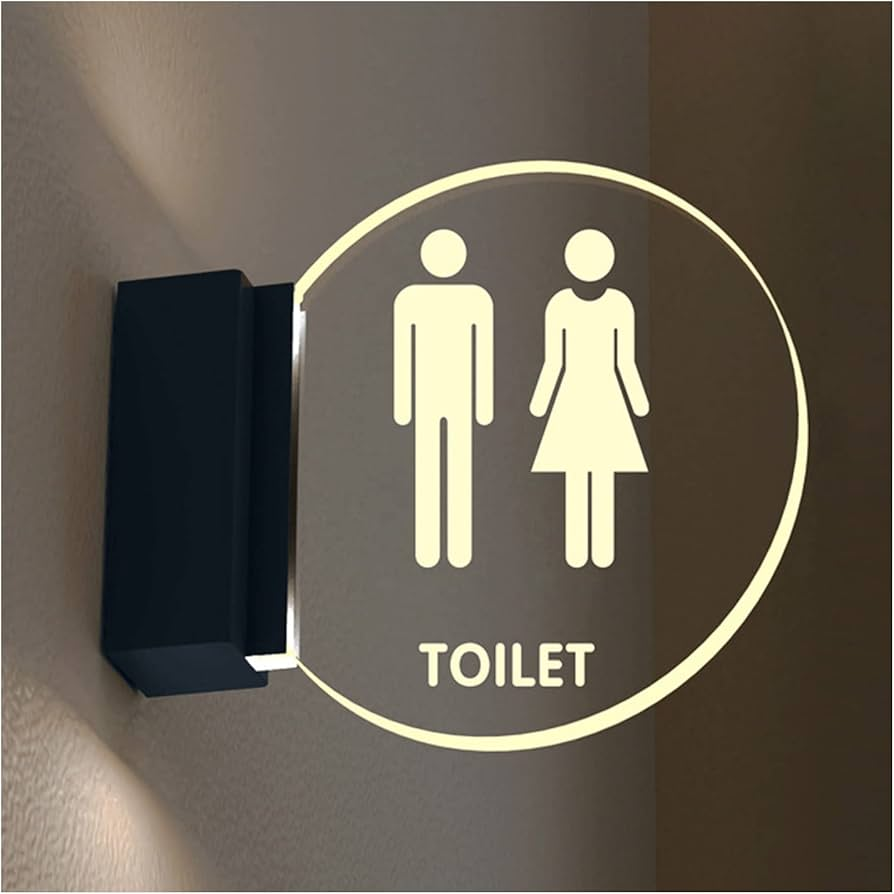
Wall-mounted acrylic sign holders are designed for more permanent displays, such as office directories, restroom signs, safety instructions, or building notices.
Typical advantages:
-
Clean, professional appearance
-
Saves desk or counter space
-
More stable than freestanding holders
Limitations:
-
Installation requires drilling or adhesive mounting
-
Harder to replace or reposition once installed
-
Improper mounting may cause stress cracks over time
Wall-mounted options are practical but require careful planning before installation.
Slanted, T-Style, and L-Style Acrylic Holders
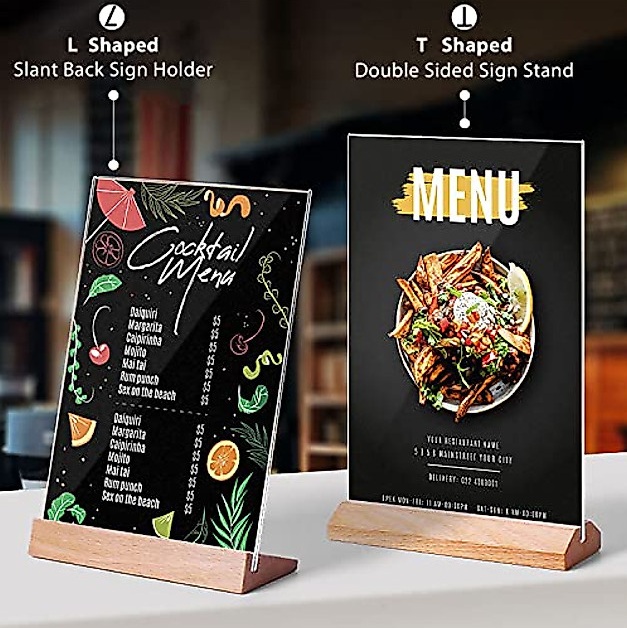
Different shapes are chosen based on viewing angle and how the information will be read.
-
L-style holders are simple and budget-friendly but may slide on smooth surfaces.
-
T-style holders allow viewing from both sides, making them useful for table centers or queue displays.
-
Slanted holders improve readability when viewed from above, such as on service counters.
Each style works well in the right setting but may feel awkward or unnecessary if used incorrectly.
Multi-Panel and Modular Acrylic Sign Holders
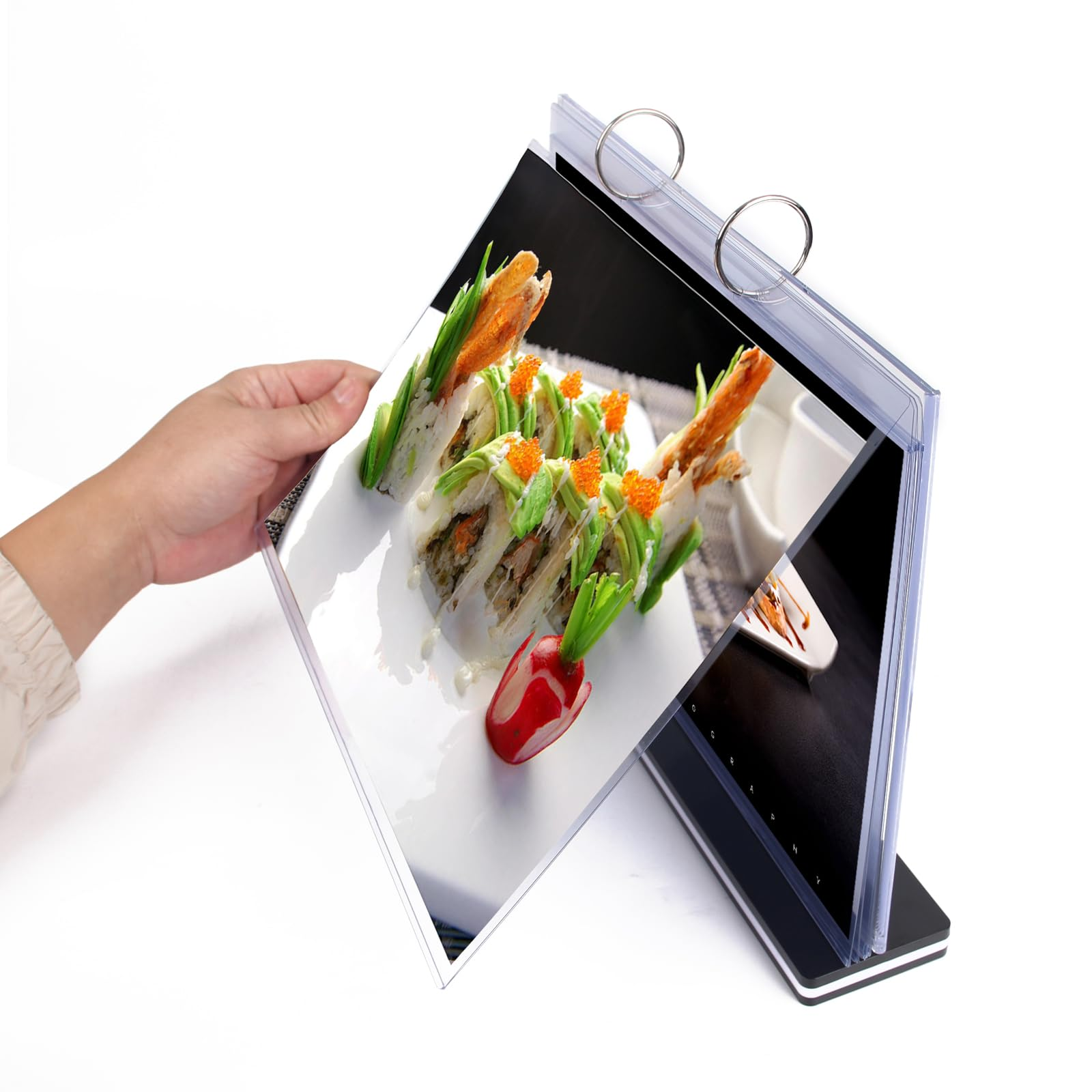
Multi-panel or modular acrylic sign holders are used when multiple signs need to be displayed together, such as menus, instructions, or pricing lists.
Advantages:
-
Organizes multiple messages in one area
-
Reduces visual clutter compared to separate holders
Drawbacks:
-
Bulkier than single-panel holders
-
More expensive
-
Harder to clean thoroughly, especially between panels
These holders are functional but not always ideal for minimalist environments.
How to Choose the Right Acrylic Sign Holder for Your Needs
Size and Sign Compatibility
One of the most common mistakes is choosing a holder that does not match the actual sign size. A sign that is too loose may slide out of place, while one that is too tight can warp the insert or crack the acrylic.
Always confirm:
-
Insert size (A4, A5, 4×6, or custom dimensions)
-
Orientation (portrait or landscape)
-
Thickness allowance for paper or rigid inserts
Size compatibility matters more than appearance.
Acrylic Thickness and Stability
Thicker acrylic generally feels more premium and offers better stability, but it also increases weight and cost.
-
Thin acrylic may bend or tip easily
-
Very thick acrylic may be unnecessary for small signs
For most indoor uses, moderate thickness provides the best balance between stability and practicality.

Material Quality and Finish
Not all acrylic sign holders are made to the same standard. Lower-quality acrylic may yellow over time, especially under strong lighting.
Things to watch for:
-
Poor edge finishing
-
Cloudy or uneven transparency
-
Visible bubbles or stress marks
These flaws do not always affect function, but they can reduce the overall professional appearance.
Load-Bearing and Environment
Acrylic sign holders perform best indoors. Heat, direct sunlight, and outdoor exposure can cause warping or discoloration.
If the holder will be used:
-
Near windows
-
Under strong lighting
-
In public or high-contact spaces
Extra weight, thicker acrylic, or wall mounting may be necessary.
Acrylic Sign Holders Compared to Other Materials
While acrylic sign holders are popular, they are not the only option.
-
Glass holders offer excellent clarity but are heavier and more fragile.
-
Wood holders work well in rustic or decorative environments but lack transparency.
-
Metal holders are durable and stable but can appear industrial or cold.
Acrylic offers a balance of clarity, weight, and flexibility, but it is not always the best aesthetic or functional choice.
Practical Tips for Using Acrylic Sign Holders
Keeping the Holder Stable
To prevent tipping:
-
Place the holder on a flat, non-slip surface
-
Avoid oversized inserts in lightweight bases
-
Use rubber feet or heavier bases if needed
Lightweight holders are convenient, but not always practical in busy environments.
Avoiding Scratches and Damage
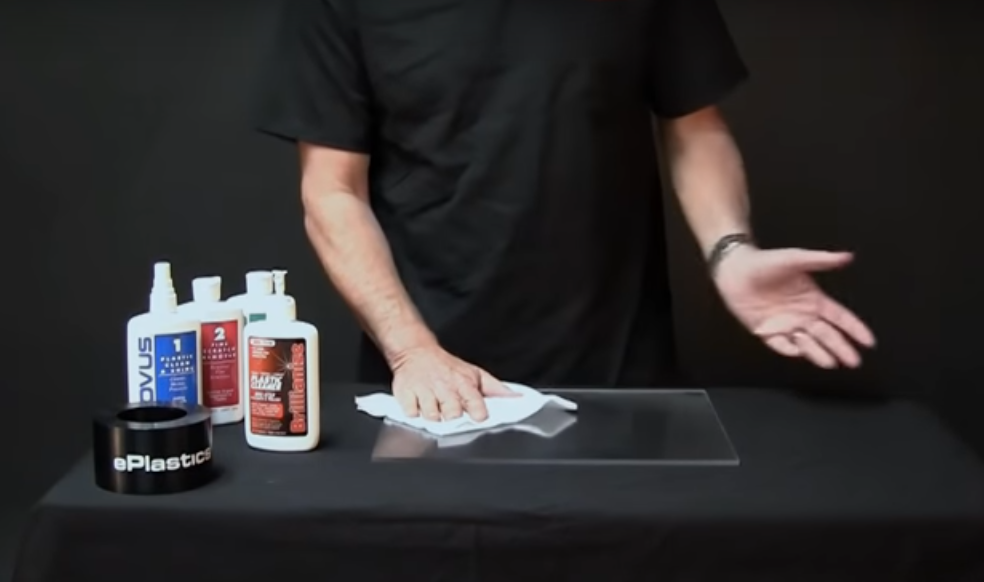
Acrylic scratches more easily than glass, and fingerprints can become visible under strong lighting.
Best practices:
-
Clean with a soft microfiber cloth
-
Avoid paper towels and abrasive materials
-
Do not use alcohol or ammonia-based cleaners
-
Store unused holders with protective film or padding
Even minor scratches can be noticeable over time.
Pairing Acrylic Holders with Other Décor
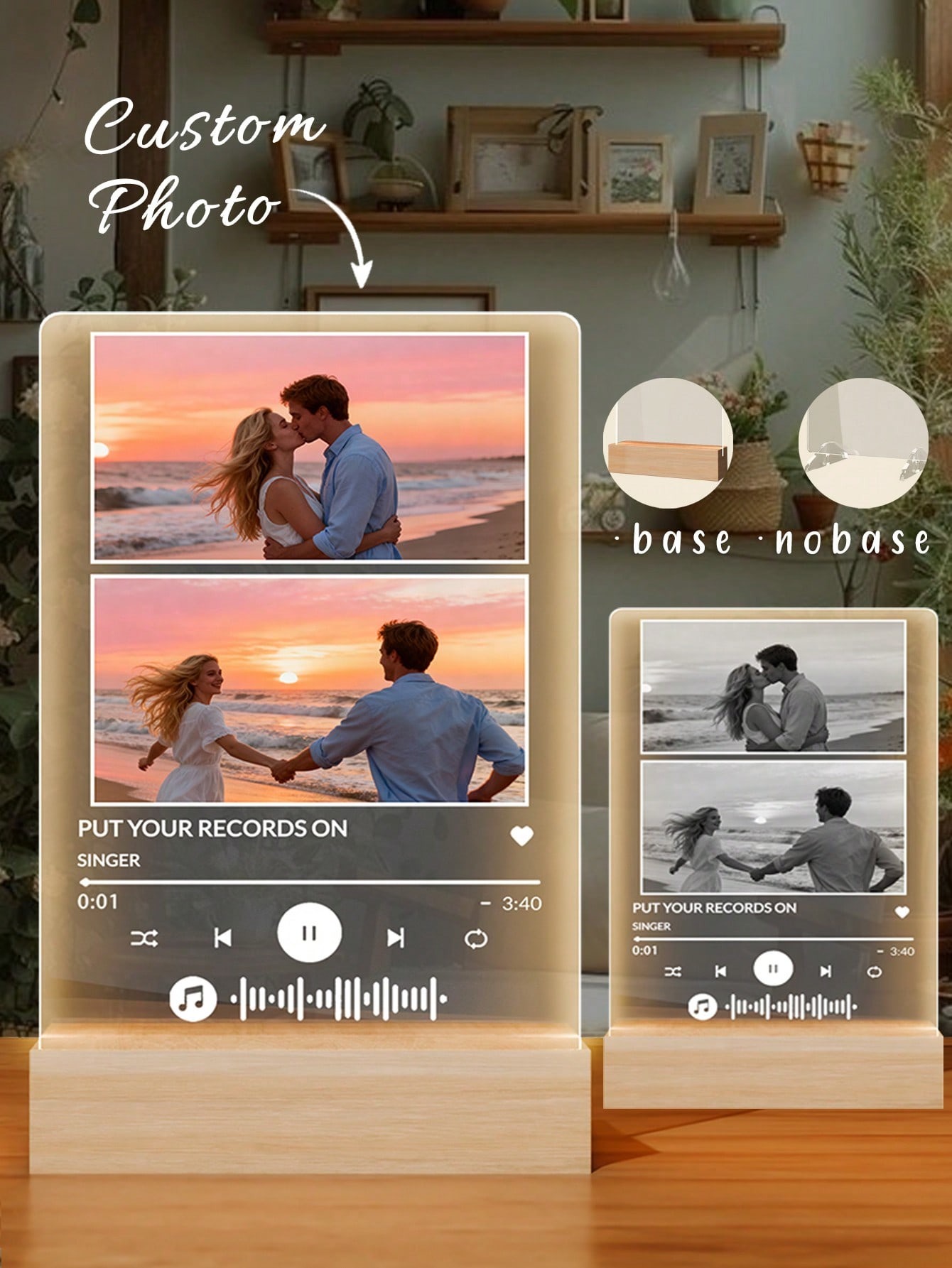
Acrylic sign holders work well with minimalist and modern décor but may clash with rustic or heavily textured spaces.
In some environments, wood or metal holders may provide a more consistent visual style. Acrylic is versatile, but not universally suitable.
Common Drawbacks of Acrylic Sign Holders
Despite their popularity, acrylic sign holders have limitations.
-
They scratch more easily than many users expect
-
Low-quality acrylic may yellow or dull over time
-
Lightweight designs can feel unstable
-
Outdoor use is limited
Understanding these drawbacks helps set realistic expectations.
Who Should and Should Not Use Acrylic Sign Holders
Best suited for:
-
Indoor retail and office displays
-
Situations where clarity and flexibility are priorities
-
Frequently updated signage
May not be ideal for:
-
Outdoor or high-heat environments
-
Areas with heavy physical contact
-
Displays requiring high scratch resistance
Final Thoughts
A custom acrylic sign holder is a practical and flexible display solution when chosen thoughtfully. The key is matching size, thickness, and style to real usage needs rather than focusing only on appearance.
When used correctly, acrylic sign holders provide a clean, professional way to display information. When chosen poorly, they can feel flimsy, scratch easily, or look out of place. Understanding these differences makes a noticeable impact on long-term usability and satisfaction.
Frequently Asked Questions
Are acrylic sign holders suitable for outdoor use?
Most acrylic sign holders are designed for indoor use. Outdoor exposure can cause discoloration or warping over time.
How thick should an acrylic sign holder be?
Moderate thickness works best for most indoor displays. Thicker acrylic improves stability but is not always necessary.
Do acrylic sign holders yellow over time?
High-quality acrylic resists yellowing, but prolonged exposure to strong light may affect lower-quality materials.

.jpeg)